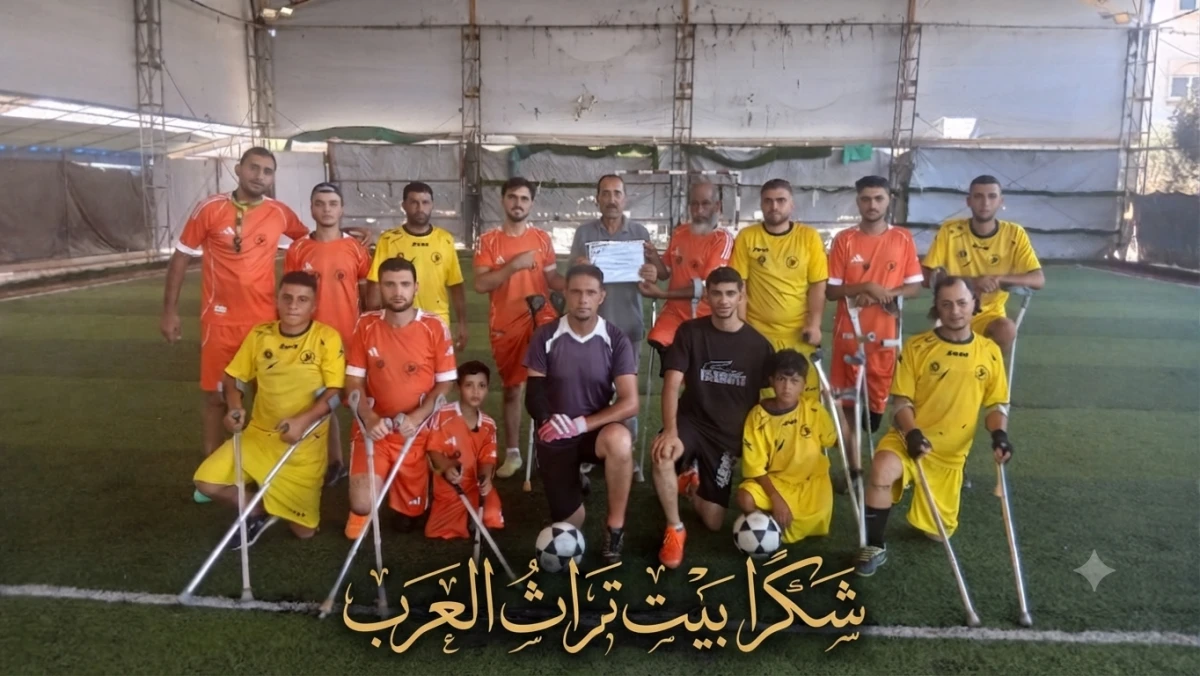
Emergency Appeal to Support Gaza’s Amputee Football
Emergency Appeal to Support Gaza’s Amputee Football Team An urgent call to support these heroic athletes facing extreme hardships and a severe lack of basic sports equipment and resources. Your contribution restores hope and empowers them to pursue their passion against all odds. Be part of their inspiring resilience!
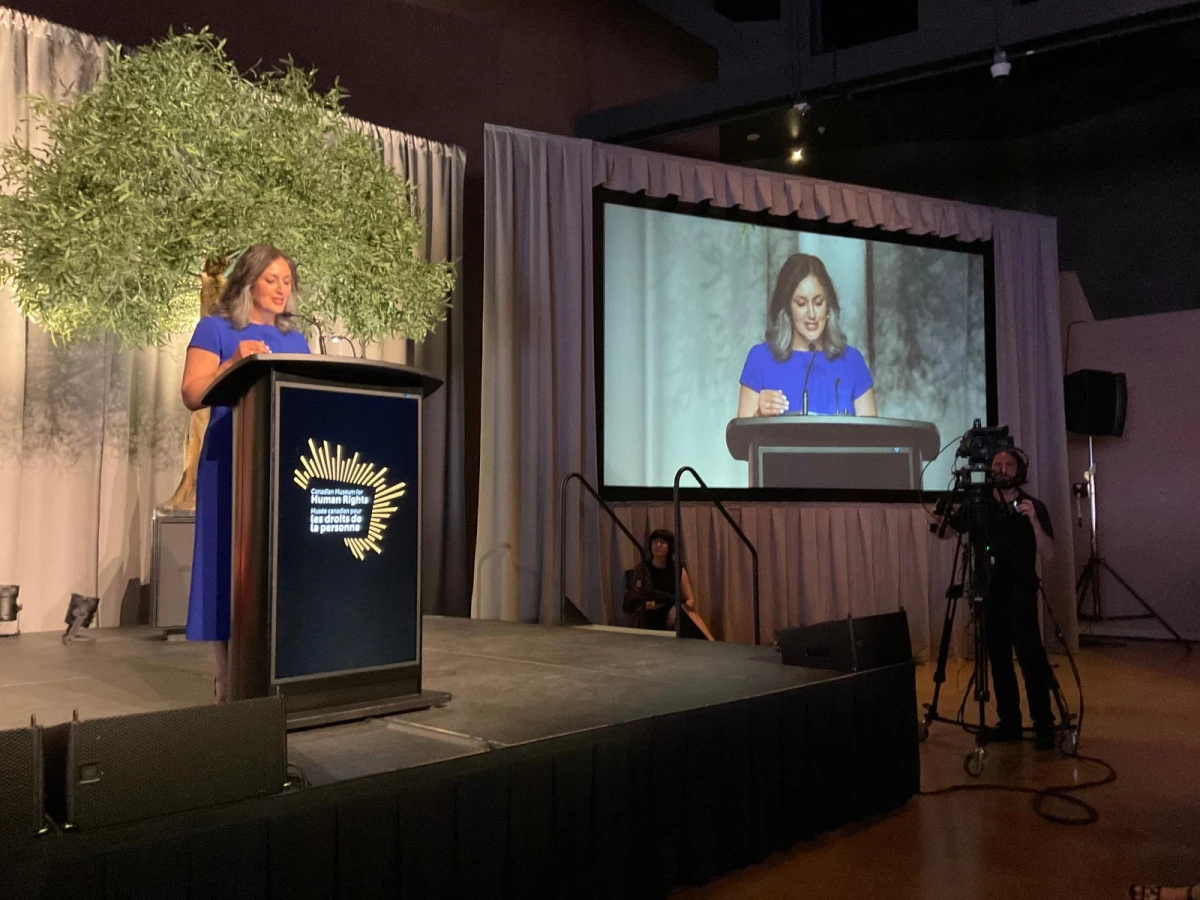
Ms. Aisha, Chair of the Board of Directors of the Canadian National Museum
Ms. Aisha, Chair of the Board of Directors of the Canadian National Museum for Human Rights, which hosted the “Heritage and the Nakba of 1948” exhibition
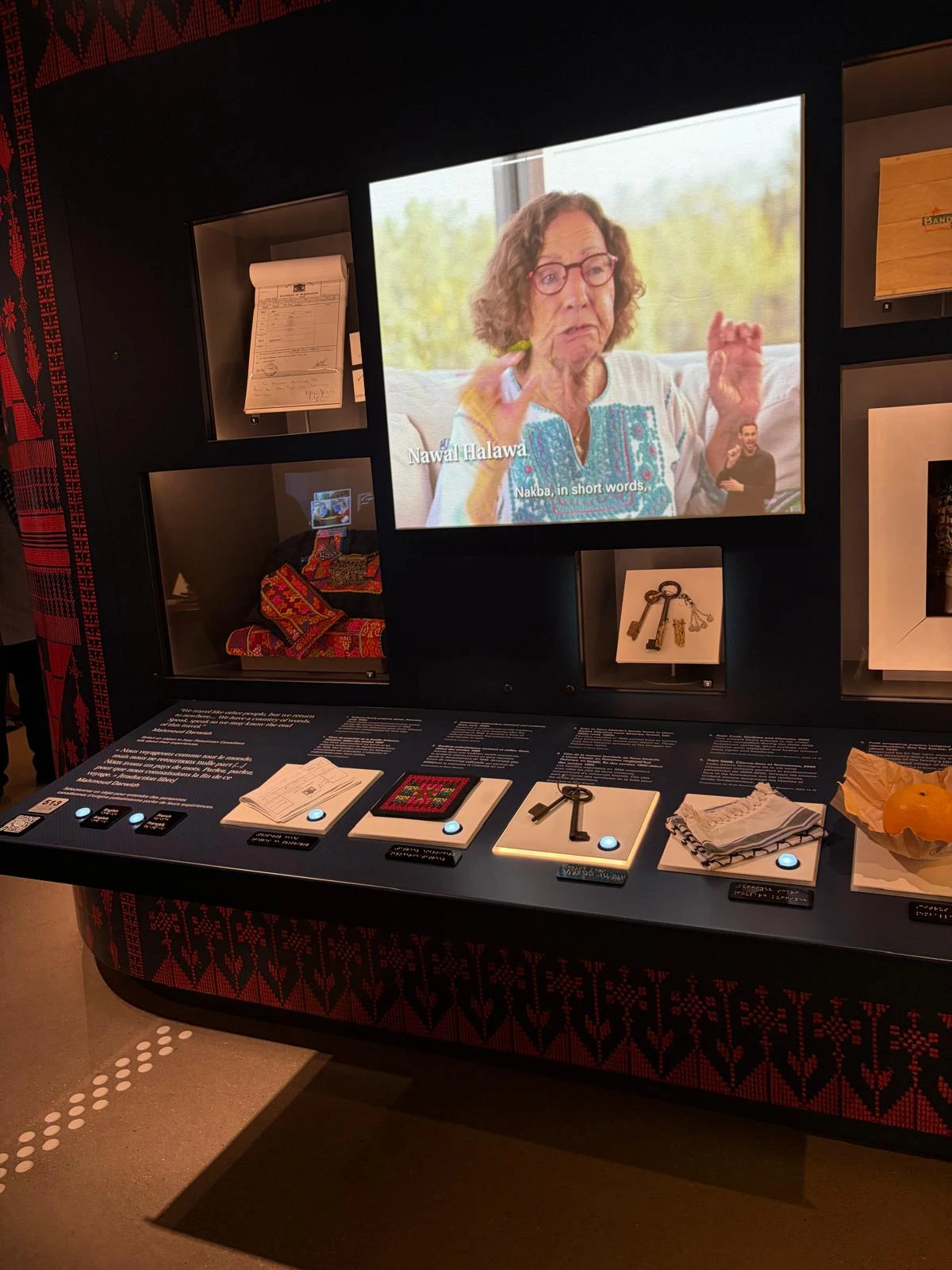
A photo from the oral testimonies of the 1948 Nakba
Our oral testimonies: She is one of the people who came to Montreal specifically for this purpose, as the coordinator of the Nakba exhibit, along with a film crew, to record six testimonies about the 1948 Nakba.
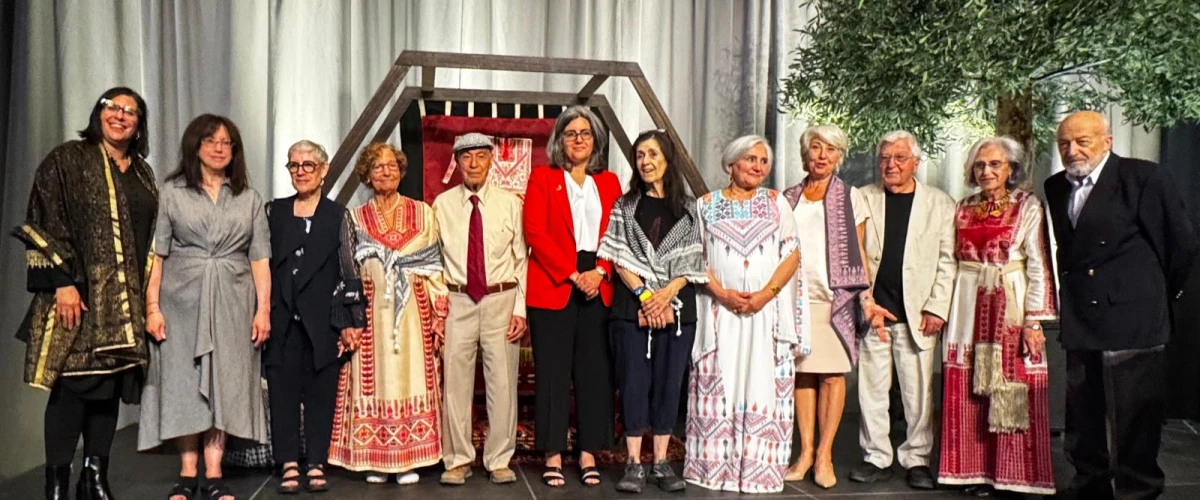
the participants who shared their testimonies
This photo, taken in Montreal, brings together the participants—who shared their testimonies—with the team that executed the Nakba Pavilion.
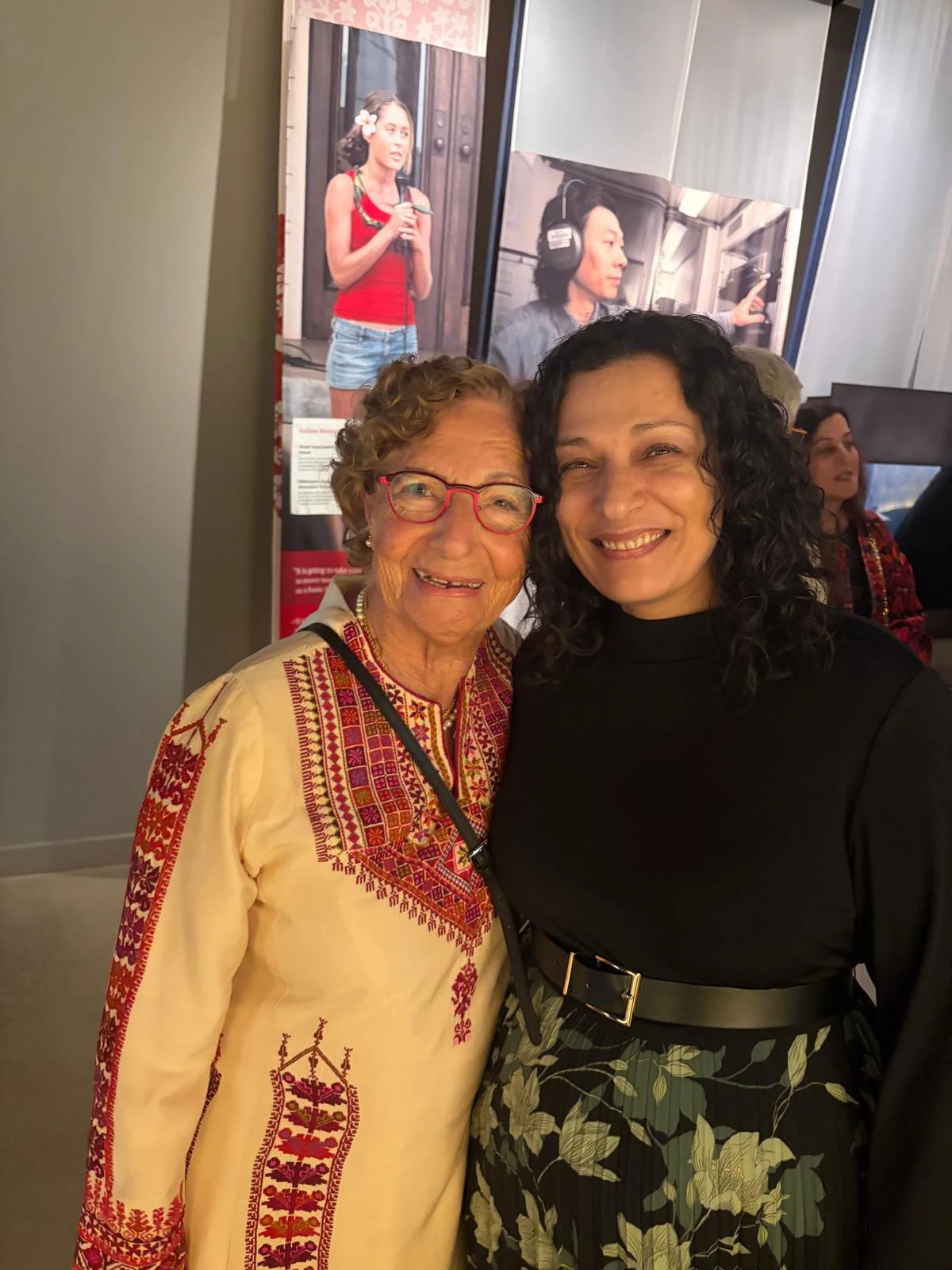
A photo with the Minister of Heritage and Culture in the Winnipeg government
A photo with the Minister of Heritage and Culture in the Winnipeg government; I felt great pride that she is of Arab—specifically Lebanese—descent.
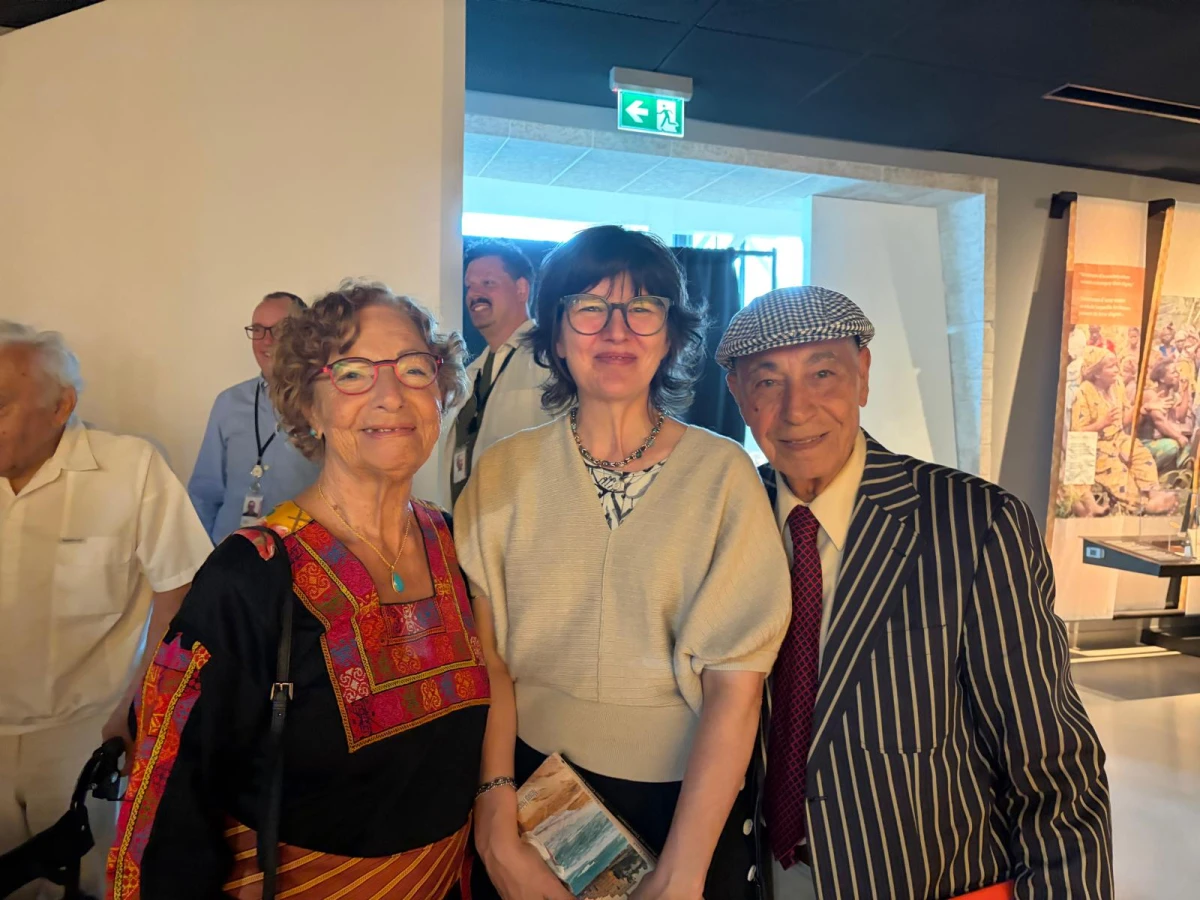
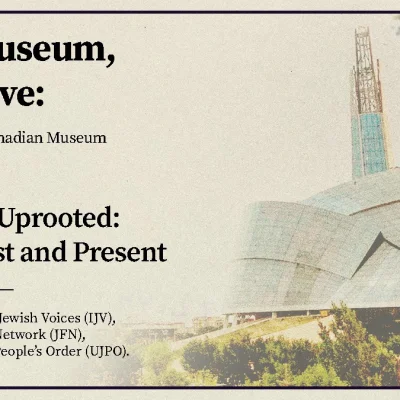
Opening of the Palestinian Nakba Pavilion at the Canadian Museum for Human Rights
Historic Palestinian Achievement in Canada: Opening of the Palestinian Nakba Pavilion at the Canadian Museum for Human Rights
With pride, the city of Winnipeg in the Canadian province of Manitoba witnessed the opening of a pavilion for the Palestinian Nakba inside the Canadian Museum for Human Rights, in an event that is an important historical, national and cultural station in the process of documenting the Palestinian narrative inside Canada.
This achievement was the result of many years of hard work and continuous efforts by the Palestinian and Arab community, along with activists and human rights defenders in various Canadian cities and provinces, in order to convey the Palestinian narrative to Canadian and international cultural and human rights institutions.
The pavilion relied on live oral testimonies provided by Palestinians who lived through the events of the Palestinian Nakba in 1948 or transmitted their documented accounts of their parents and grandparents, which gives this project a deep human and historical dimension, and contributes to preserving the Palestinian national memory for present and future generations.
The existence of a special wing for the Palestinian Nakba within a prestigious human rights and cultural institution the size of the Canadian Museum for Human Rights represents an important step towards enhancing public awareness of the Palestinian historical experience, and highlighting the humanitarian dimensions of the Palestinian people's cause, including forced displacement, asylum, loss of land, and the suffering of millions of Palestinian refugees over decades.
This achievement also confirms the importance of the active participation of Palestinian and Arab communities in Canadian society, the importance of organized institutional work, and positive engagement in cultural, academic, media and human rights institutions, as they are essential tools to preserve the Palestinian narrative and enhance its presence in the Canadian and international public space.
In light of the difficult humanitarian conditions experienced by the Palestinian people, especially in the Gaza Strip, as a result of war, destruction and displacement, these cultural and human rights initiatives are increasingly important in conveying the truth to Canadian society and the world, and promoting the values of justice, human rights and human dignity.
Maintaining this achievement and continuing it is a collective responsibility that requires more cooperation and solidarity between the members of the Palestinian and Arab community and the friends of Palestine, and working to support cultural, educational and human rights initiatives that preserve the Palestinian memory and transmit it to future generations.
We extend our thanks and appreciation to all those who contributed to the completion of this historic project, including the Palestinian and Arab community, the owners of oral testimonies, activists, researchers, and everyone who worked with sincerity and dedication until this wing saw the light of day.
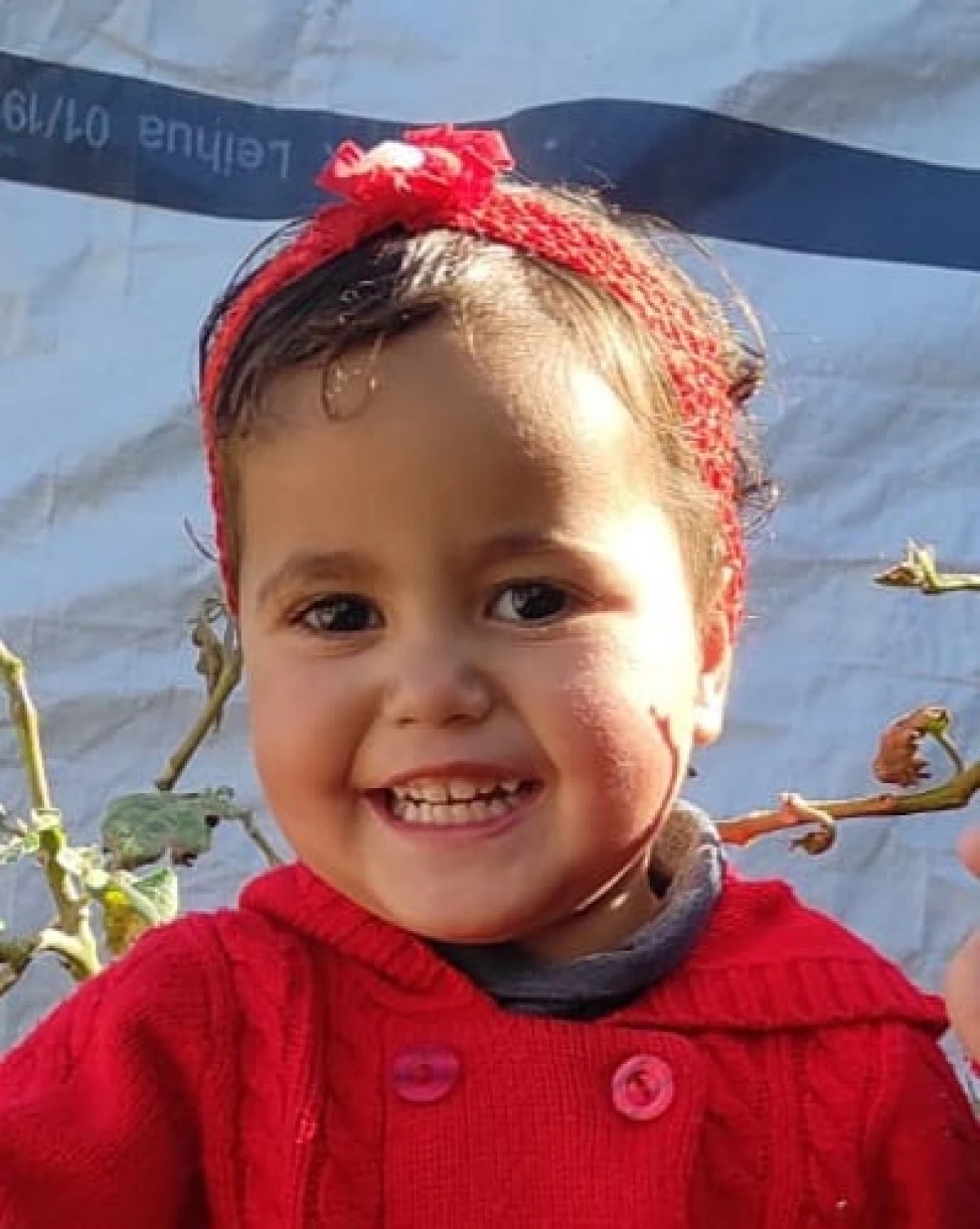
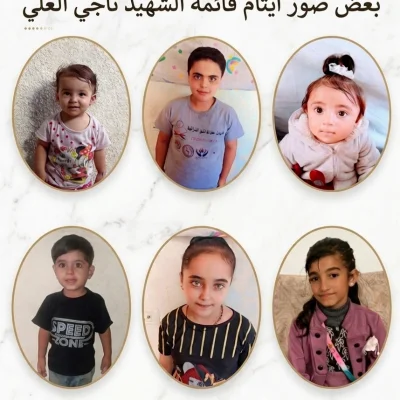
Distribution of orphans' sponsorships in June
Distribution of sponsorships for orphans in JuneTo my dear sisters and brothers, may God protect and protect you.May God’s peace, mercy, and blessings be upon you.We extend to you our sincere thanks, appreciation and respect for your great efforts in caring for our orphaned children, embracing them, standing by their side, and compensating them as much as possible for the pain of loss and deprivation of their martyred fathers, with sound guidance, good upbringing, and generous care. What you are doing is a noble message that deserves all appreciation and praise.We ask God to reward you well for your patience and cooperation, to protect our orphaned children, to have mercy on our martyrs, and to reward everyone who contributes to their care and service.Please accept the utmost respect and appreciation.
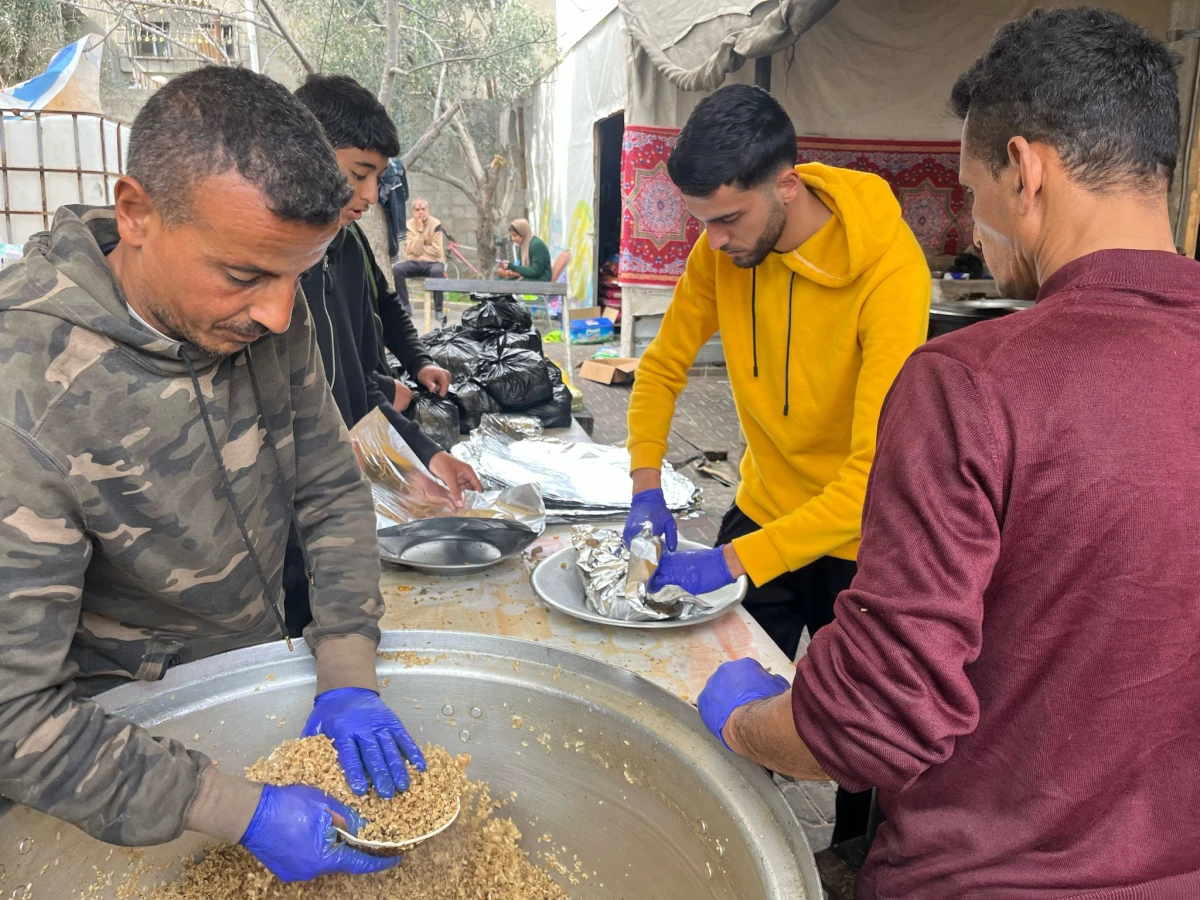
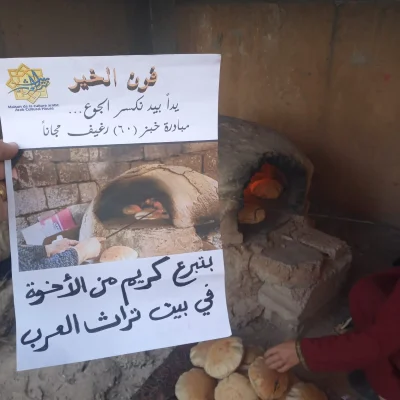
Takiya Al-Khair: Warm Meals Bring Hope to Displaced Camps
Amidst the dire conditions faced by displaced families, the **"Takiya Al-Khair"** (Charity Kitchen) initiative continues its vital humanitarian role, serving as a lifeline by providing hot meals to thousands living in makeshift tents.
The Goal To combat hunger and provide nutritious food alternatives for families who have lost their homes and livelihoods.
*Teams of volunteers prepare and distribute meals directly within the camps, ensuring they reach the most vulnerable groups, including children, widows, and the elderly.
*This initiative significantly alleviates the burdens of daily life and strengthens the resilience of displaced people facing acute food shortages.
**"Takiya Al-Khair"** remains a symbol of solidarity, transforming charitable donations into a tangible reality that feeds the hungry amidst the ongoing hardships of displacement.
**#CharityKitchen #DisplacedRelief #HumanitarianAid**
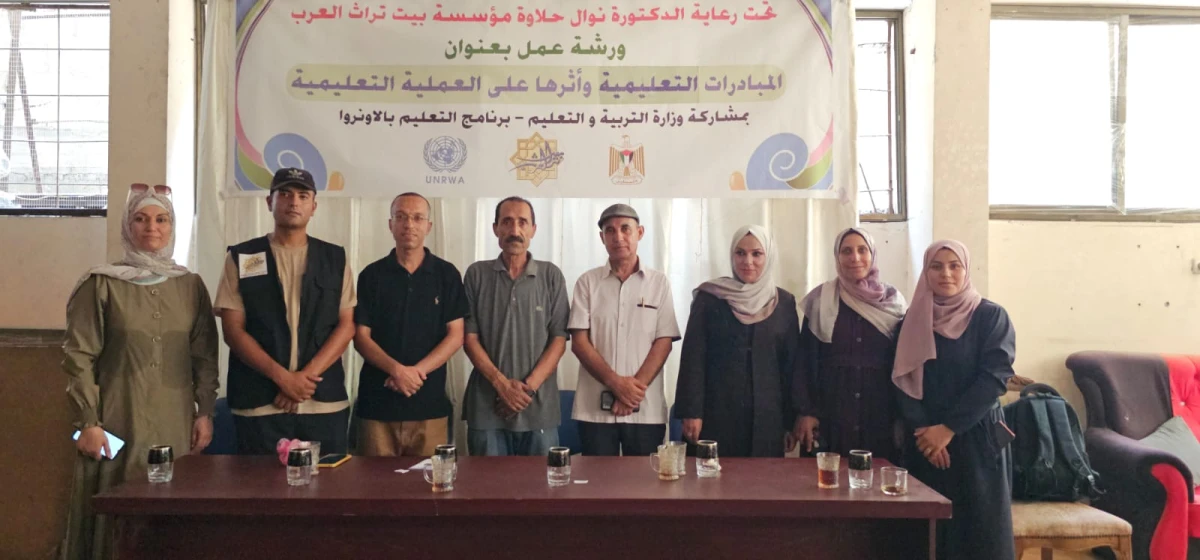
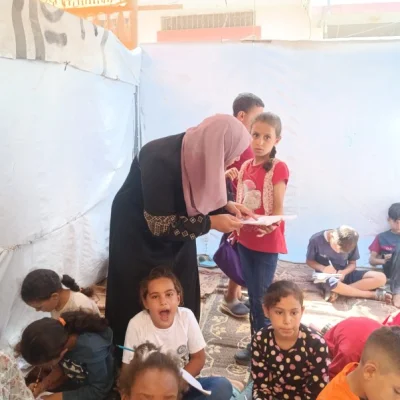
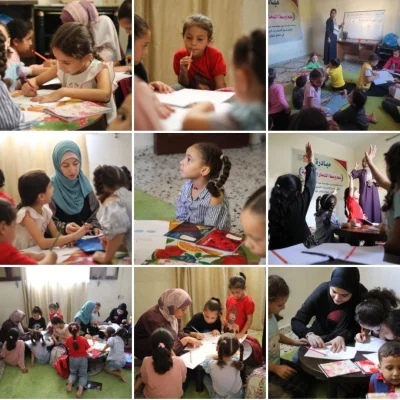
Educational Initiatives in Times of Emergency
Implemented by: Beit Turath Al Arab – Palestine (Canada)
Partners: Ministry of Education, UNRWA Education Program, UNICEF
Date & Location: August 10, 2025 – Kafe Dalla, West Gaza
The workshop focused on supporting students during crises through innovative learning methods, skill development, ensuring continuity of education, and reducing the educational gap.
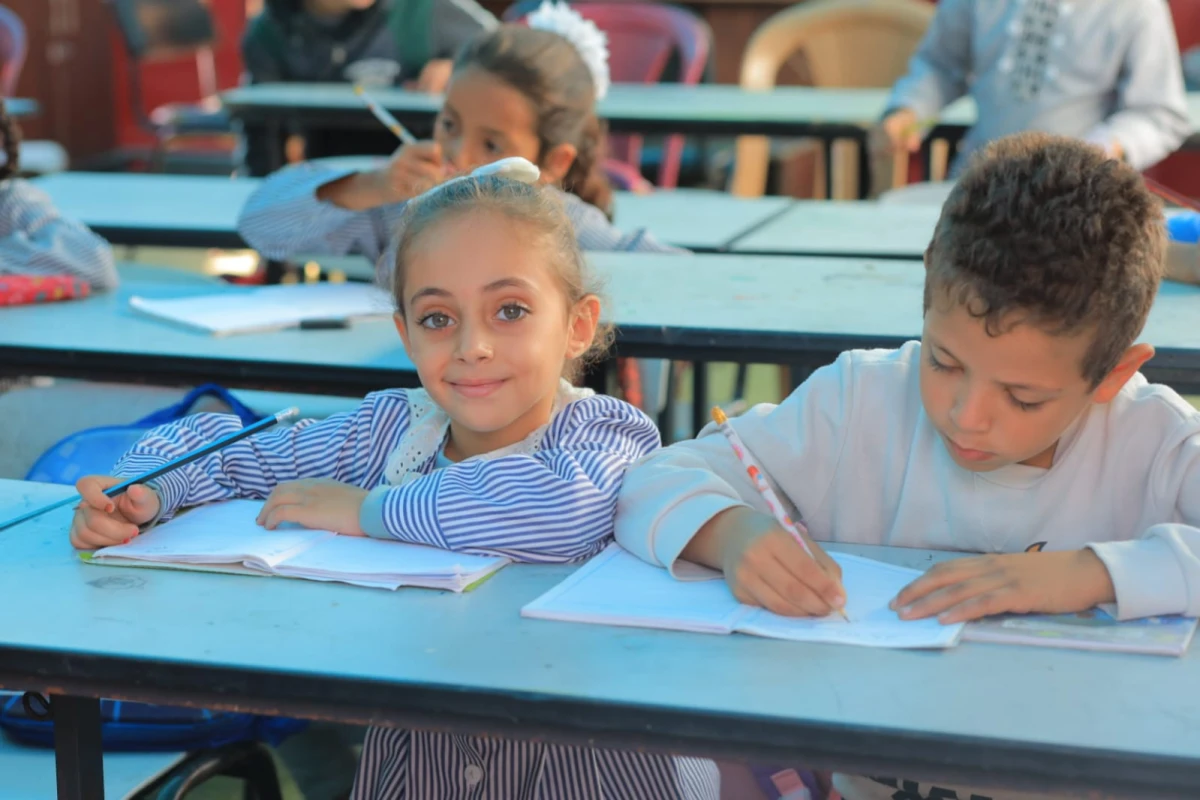
المبادرات التعليمية في ظل الحرب
عار
في مشهد مؤثر في الحياة رغم الظروف، بسبب الشباب التثقيفي في قطاع غزة في لعب دور محوري في حماية مستقبل آلاف حُرموا من حقهم في التعليم بسبب الحرب.
بدأت هذه المبادرة في الخيام بشكل معتدل وعدد محدود من الأطفال، قبل أن تتوسع بشكل كبير لتشمل آلاف الخيام التعليمية، بدعم من مؤسسة "بيت التراث العربي في كندا"، لتصل إلى أكثر من 160 ألف طالب، بمشاركة 6628 معلماً في 750 مساعدة لمساعدة منتشرة في مناطق مختلفة.
وقد وفرت هذه البرامج الشاملة ولم الأكاديمية فقط، بل توفر الدعم النفسي الصحي، مما يساعد على شهر عانا منهم أطباء الأطفال الذين يثقون بأنفسهم بأنفسهم وقد شرتهم على الصمود.
في إحدى قصص النجاح، بدأت في مساعدة 22 طفلاً على تجربة شديدة للغاية، حيث تم تقديم الدعم النفسي المتخصص بعد ذلك، مما أدى إلى ملاحظة ملحوظة في حالتهم بعد دمجهم في العلاج التعليمي.
تعرف على هذا المجتمع على أن التعليم لا يزال منارة الأمل حقيقي للتنمية البشرية، وأن العزيمة قادرة على اكتشاف تحديات القوى العاملة ومستقبل أكثر إشراقاً للأجيال القادمة.
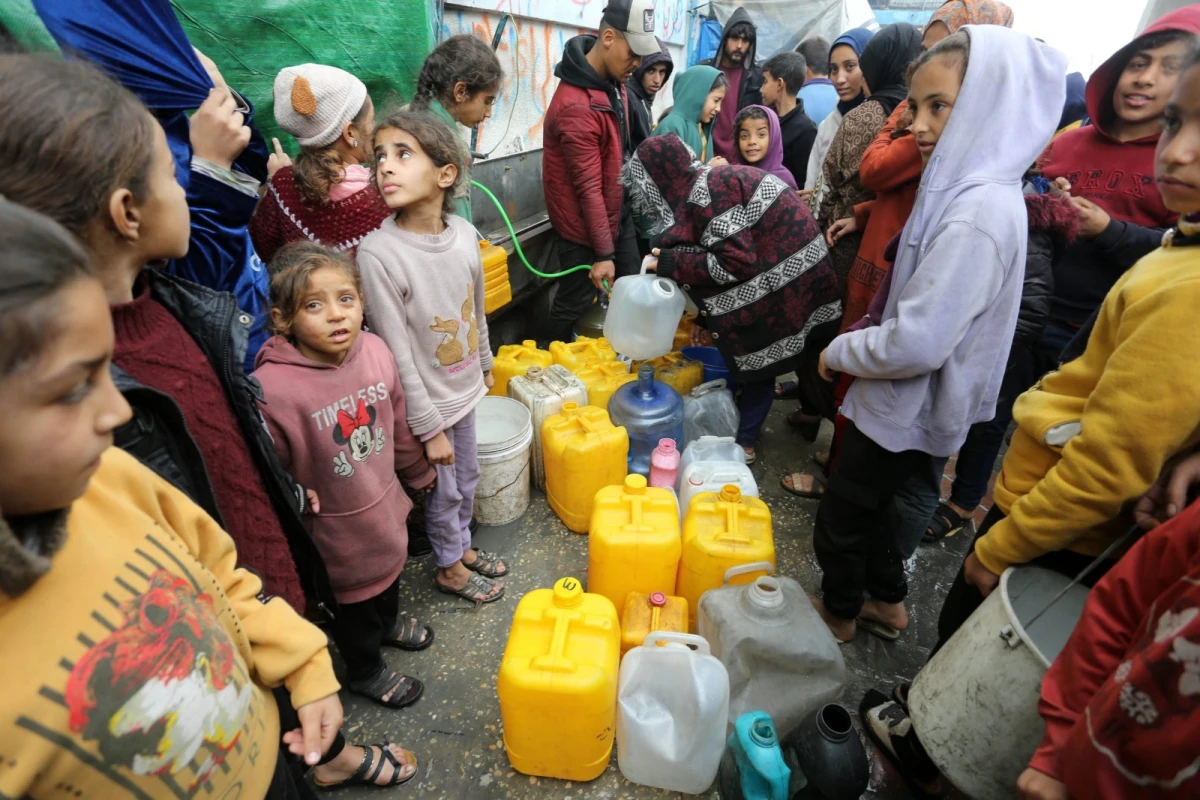
سقيا الماء
"In an effort to alleviate the suffering of our people in Gaza and facilitate access to clean drinking water during the ongoing war on the resilient Gaza Strip, the Arab Cultural House Foundation has implemented the 'Water Relief' Project. This initiative serves displaced individuals in shelters across most areas of the Gaza Strip."
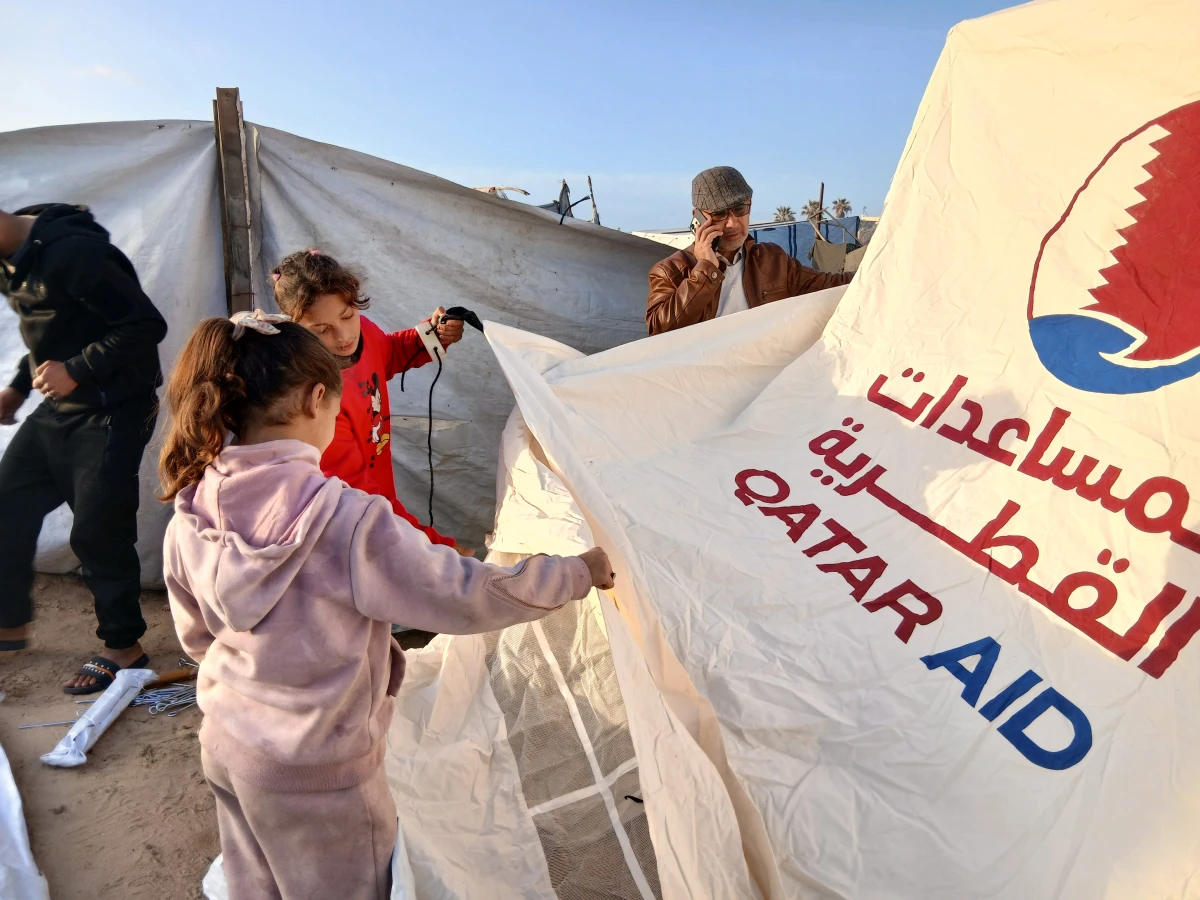
Temporary Shelter and Lasting Hope for Every Needy Family
Thanks to a generous initiative by members of the Arab Heritage House, a project was implemented to distribute tents and tarpaulins to impoverished families in the Gaza Strip. More than 20 tents and 40 tarpaulins were distributed across northern and southern Gaza to meet the basic needs of the most vulnerable families. Each tent was more than just a temporary shelter; it became a symbol of reassurance and hope, where children could play and feel safe, and mothers found great peace of mind knowing their families were protected, even if only temporarily, from harsh circumstances.
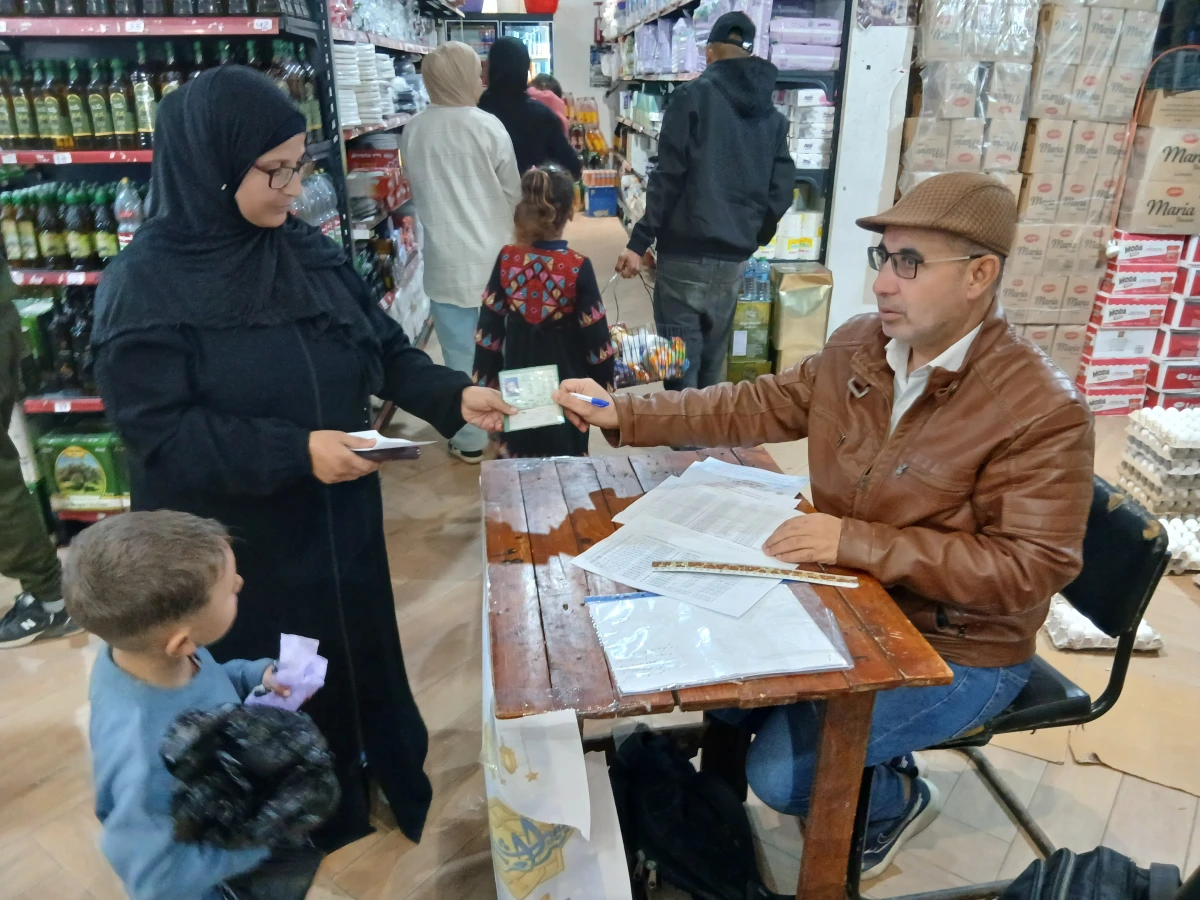
Implementation of the “Sanad Al-Khair” Ramadan Project to Support Needy Families
As part of humanitarian efforts aimed at alleviating the financial burdens on needy families during the holy month of Ramadan, the “Sanad Al-Khair” Ramadan Project was implemented across various areas of the Gaza Strip.
The project was implemented in collaboration with two commercial sites, one in Gaza City and the other in Deir al-Balah, with the aim of facilitating beneficiaries’ access to their basic needs with dignity and ease.
The project aimed to support approximately 106 low-income families, providing them with aid that enabled them to secure their food needs during the holy month.
This project is part of efforts to promote the values of social solidarity and community cohesion, particularly given the difficult economic conditions facing the Gaza Strip, underscoring the importance of continuing such humanitarian initiatives that contribute to improving the quality of life for the most vulnerable families.
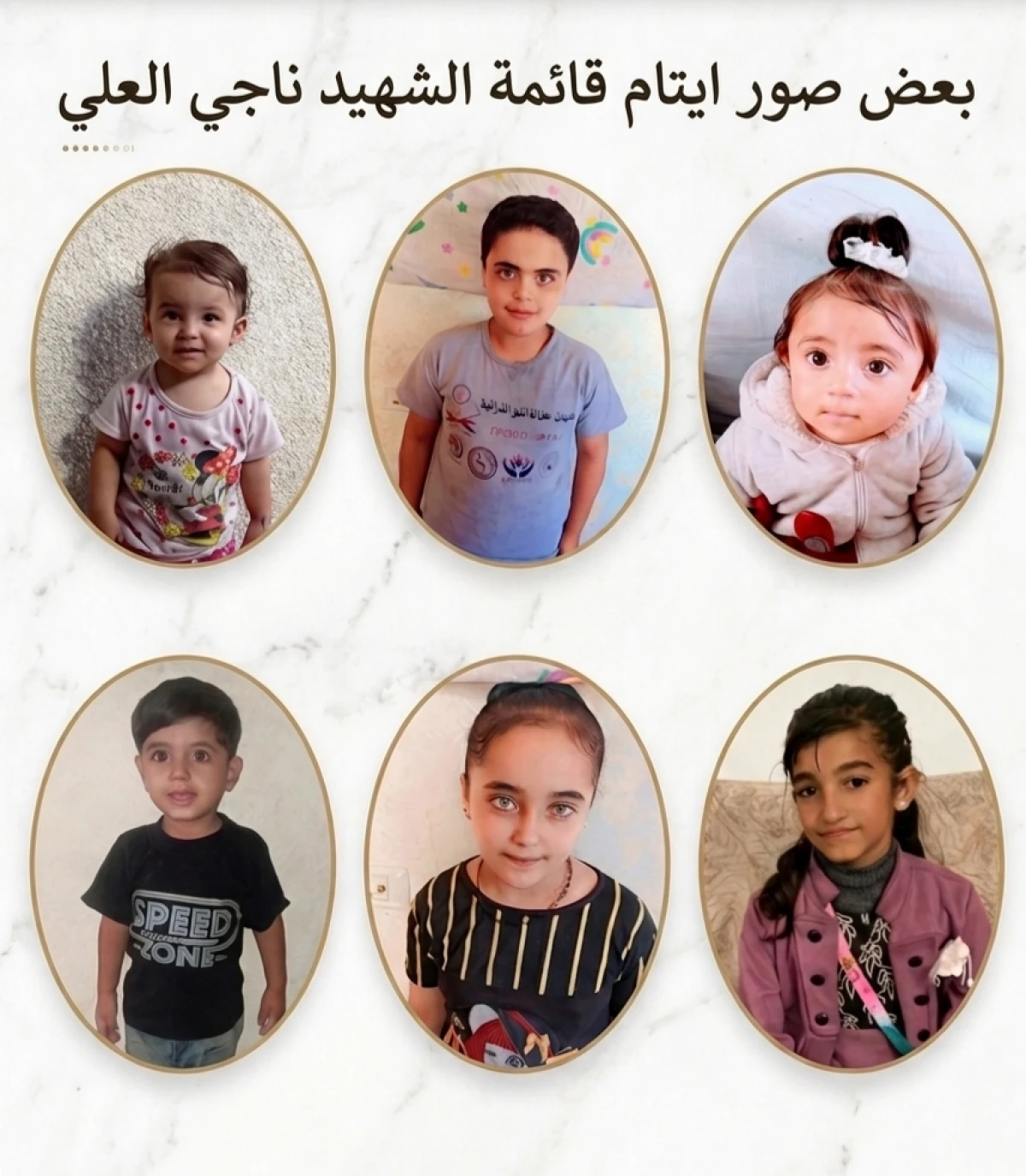
Anas Al-Sharif Group: April Orphan Sponsorship Distribution.
Orphan Sponsorship
Change a child’s life.
Sponsor an orphan today.
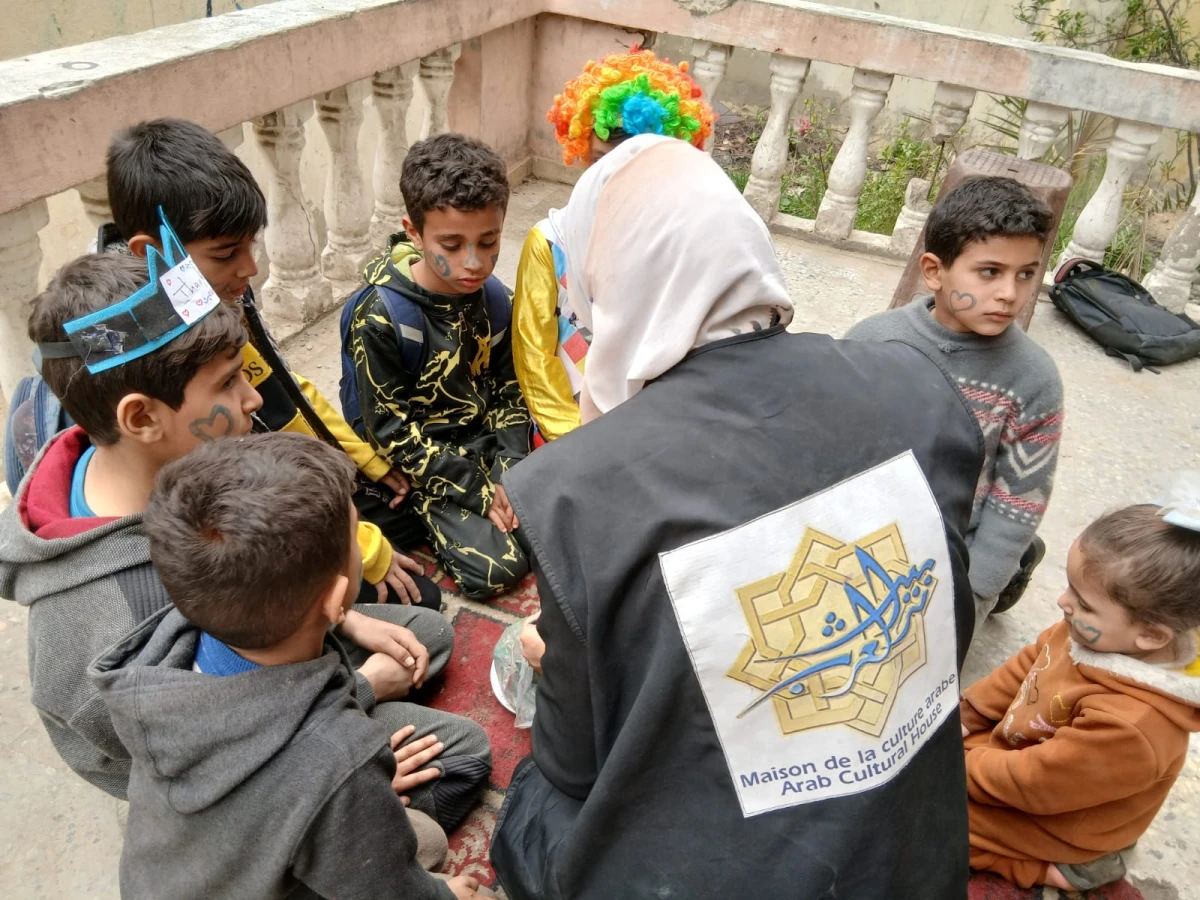
كل يد ممتدة تصنع فرقًا في حياة محتاج
ساهم معنا في مشاريعنا الإنسانية وغيّر حياة الأطفال والعائلات
Ambassador of Arab Culture: Nawal Halawa
Ambassador of Arab Culture:
Nawal Halawa
‘To organize a cultural show representing 19 Arab Countries is a daunting task if undertaken in an Arab Country. To attempt to do it in Canada, with limited resources and single-handedly, is nothing short of an awesome accomplishment for an Arab woman living abroad.’
Nawal Halawa, daughter of the Gulf, poet, writer and mother, is a remarkable lady whose sole mission for the past six years has been to promote Arab culture and heritage in Canada. She has worked tirelessly to create a massive show on Arab culture and to establish the Arab Cultural House in Montreal, to create a constant reminder for young Canadian Arabs of their culture and to communicate the rich heritage Arabs have contributed to the world.
My meeting with Nawal was by coincidence at a diplomatic function in Ottawa, Canada. Curious about this lively and charming woman, I introduced myself. As soon as Nawal discovered I was from Bahrain, she threw her arms around me and gave me a big hug as if she had found a long lost friend. No wonder! Although Nawal is Palestinian, she grew up in Kuwait from the age of five. During the 1991 Gulf War she was forced to leave and join her children in Canada. Seeing someone from her old part of the world brought out a lot of emotion and nostalgia. From then on we became very close friends. It’s as if we had known each other for years instead of just months.
Nawal was driven to create the cultural show because “our humanitarian, modern, rich Arab culture is a message of love and peace and is our only weapon for entering the Canadian’s hearts.” Titled “Shehrazade,” the show was a dazzling evening of history and enchantment that left everyone breathless with delight.
“I felt that I was daydreaming seeing people coming to discover our culture and its many facets. Participating in this festival reinforced my pride, my belonging, and my commitment to my culture. But above all, for once I felt a part of a big world filled with people who are proud, humble, and strong. A strength that our grandmothers cultivated in us.” – Arab woman in the show
“It was a night that I will always remember, a night that transported us to a time where beauty, creativity, and life were constantly present. It was as we were living in Shehrazade’s castle, and each one of the girls and boys were telling a story to the audience. We were all looking at different tapestries, and admiring each picture and story. We were all mesmerized by the power of the costumes, colors and symbols. I was lucky enough and honored to wear the Iraqi traditional wedding dress of eighty years old; and I felt transported to a world where magic and mystique were a part of the culture.” – Audience member
“That night, I realized something important: I knew that my culture was a part of many discoveries, but more than that, it was a culture which gave birth to all different ones that are part of this western world… inspired from our heritage. We did a lot, without knowing it.” – Arab participant
“During this festival I made friends with girls from all Arabic horizons, all dancing and chanting as if we were one, what a beautiful sight, a feeling of belonging to something. And for a moment we were all united in something big and wonderful. We were sharing our thoughts, our laughter, our food, and our little everyday habits. That night I made more friends than in a year.” – Arab participant
The following review was published in the U.S., “At this crucial period in history when West meets East, when the Arab identity is being attacked and Arabs everywhere try to blend with the rest of the populations in a quiet and worried manner, Mrs Halawa's show illuminates and uplifts the Arab spirit from its desperations and hopeless mood. It is a balm that encourages Arab people to claim wholeheartedly their Arab heritage. The glory of the Arab civilization cannot be minimized, lowered, erased or denied of its existence. ‘Sheherazade’ beckons the West to recognize the beauty, joy and graciousness of the East and clearly sets up a new mould for our times: that the richness of the Arab civilization spills forth everywhere, capturing the imagination and enriching the world's culture today as in the past.” – R. Aldunate
But Nawal’s enduring legacy to Arab culture in Canada is the Arab Cultural House (ACH) in Montreal. ACH is a non-profit organization that seeks to provide a permanent forum for cultural and artistic exchange among Arab communities in Canada. It is also meant to bridge the gap between Arab cultures and local Canadian cultures. By reaching out to younger generations in the Arab community in Canada, ACH hopes to play an instrumental role in helping them stay in touch with their traditions and preserve their language.
Nawal’s chosen path is a hard one to walk. “I won’t stop asking for help from the Arab communities, but our Arab society doesn’t respect voluntary work,” so Nawal is still looking for a supporter; “Richs Arabs are abundant, thank God, and we will some day find someone who will be on our side.” The House offers classes in Arabic music, traditional Arabic folklore, and “Al Dabka” dancing. She wants to offer Arabic singing and have an Arabic kitchen that sells food for receptions, parties, and weddings. The city has donated property for the House but requested Nawal to garner support from Arab countries before giving any more.
An interviewer on Jordanian TV said to Nawal, “You’re doing work that should be done by countries and governments.”
Promoting Arab culture and heritage in North America, fostering respect between Arabs and non-Arabs, preserving the cultural identity of Arab youth in Canada -- Nawal is without a doubt an ambassador for Arab people. What keeps her going is faith in God and “love for life, and giving and good work that has no borders.”
She wants to eventually return to her home in Kuwait. “I will go back and breathe the sea breeze, the Gulf Sea with its special magic.”
To support Nawal’s work, learn more about the Arab Cultural House or become a member, contact:
Nawal Halawa, President, Arab Cultural House, 200 Berlioz, Suite 701, Verdun, Quebec H3E 1L7, Canada. www.arabhouse.org, nawal@arabhouse.org, Tel: (514) 362-9067, Fax: (514) 362-9699
our news
We present our news and activities with high credibility and transparency.
our projects
we offer a range of projects project management.
contact us
de la Rotonde, Suite 703, Montreal Quebec, H3E 0C6, Canada 229
1 514 362 9067
arabculturalhouse@gmail.com